.jpg)
Eco-Friendly Lifestyle: Practical Tips for Beginners
- Roothread

- Jan 5
- 4 min read
Starting an eco-friendly lifestyle can feel overwhelming at first. However, small changes in daily habits can make a big difference for the environment. This guide offers practical, easy-to-follow tips for beginners who want to live more sustainably. By adopting these habits, you can reduce waste, save energy, and contribute to a healthier planet.
Understanding the Eco-Friendly Lifestyle
An eco-friendly lifestyle means making choices that minimize harm to the environment. It involves reducing waste, conserving natural resources, and supporting sustainable products. This lifestyle is not about perfection but progress. Every small step counts.
To begin, focus on areas where you can make the most impact, such as energy use, waste management, and consumption habits. For example, switching to energy-efficient light bulbs or using reusable bags can significantly reduce your carbon footprint.
Simple Changes to Embrace an Eco-Friendly Lifestyle
Here are some straightforward actions you can take to start living more sustainably:
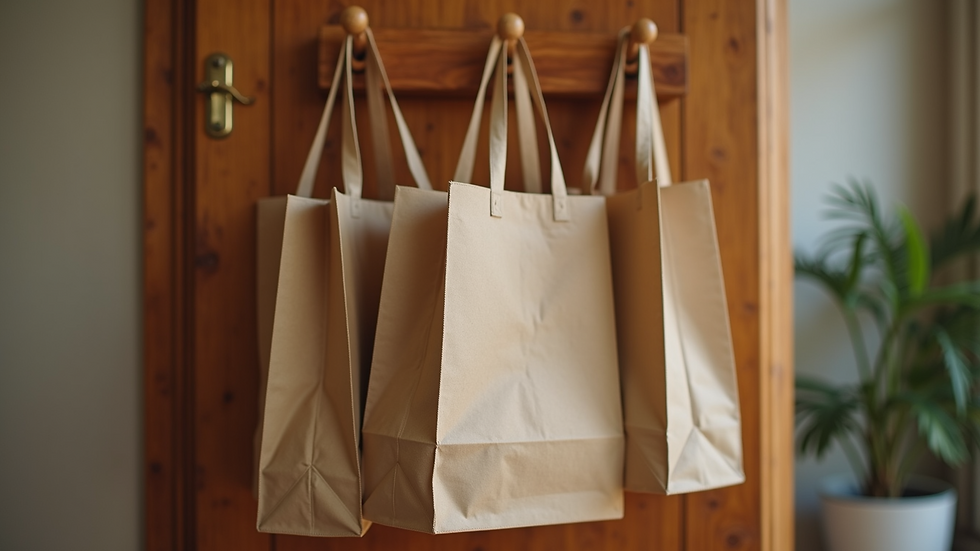
Reduce Single-Use Plastics: Replace plastic bags, straws, and bottles with reusable alternatives. Carry a stainless steel water bottle and cloth shopping bags.
Conserve Water: Fix leaks, take shorter showers, and use water-efficient appliances.
Save Energy: Turn off lights when not in use, unplug electronics, and use energy-saving bulbs.
Choose Sustainable Transportation: Walk, bike, carpool, or use public transit whenever possible.
Support Local and Organic Foods: Buying local reduces transportation emissions, and organic farming is better for the soil and biodiversity.
These small adjustments not only help the environment but often save money in the long run.
How to Reduce Waste Effectively
Waste reduction is a cornerstone of eco-friendly living. Here are some practical ways to minimize waste:
Practice the 3 Rs: Reduce, Reuse, Recycle
Reduce: Buy only what you need and avoid over-packaged products.
Reuse: Find new uses for items instead of throwing them away. For example, glass jars can be storage containers.
Recycle: Separate recyclables properly and learn your local recycling rules.
Compost Organic Waste
Composting food scraps and yard waste reduces landfill contributions and creates nutrient-rich soil for gardening.
Avoid Disposable Products
Choose products designed for long-term use, such as cloth napkins, rechargeable batteries, and washable coffee filters.
Buy in Bulk
Purchasing items in bulk reduces packaging waste and often saves money.
By incorporating these habits, you can significantly cut down on the waste your household produces.
Energy Efficiency at Home
Improving energy efficiency is one of the most effective ways to reduce your environmental impact. Here are some tips to make your home more energy-efficient:
Upgrade to LED Bulbs: LED bulbs use up to 80% less energy than traditional incandescent bulbs and last longer.
Seal Windows and Doors: Prevent drafts by sealing leaks with weatherstripping or caulk.
Use Smart Thermostats: These devices optimize heating and cooling, reducing energy consumption.
Unplug Devices: Electronics consume energy even when turned off if plugged in.
Choose Energy Star Appliances: When replacing appliances, look for the Energy Star label for better efficiency.
Implementing these changes can lower your utility bills and reduce your carbon footprint.

Incorporating Green Living into Your Daily Routine
Adopting a green living mindset means making environmentally conscious choices every day. Here are some ways to integrate green living into your routine:
Plan Meals to Reduce Food Waste: Use leftovers creatively and store food properly.
Choose Eco-Friendly Cleaning Products: Many natural cleaners are effective and less harmful to the environment.
Grow Your Own Herbs or Vegetables: Even a small windowsill garden can reduce your reliance on store-bought produce.
Practice Mindful Consumption: Before buying, ask if you really need the item and consider its environmental impact.
Engage in Community Initiatives: Join local clean-up events or sustainability groups to stay motivated and connected.
These habits help build a sustainable lifestyle that benefits both you and the planet.
Making Sustainable Choices When Shopping
Shopping sustainably is a key part of an eco-friendly lifestyle. Here are some tips to shop with the environment in mind:
Choose Quality Over Quantity: Invest in durable products that last longer.
Buy Secondhand: Thrift stores and online marketplaces offer great options for clothes, furniture, and more.
Look for Certifications: Labels like Fair Trade, Organic, and FSC indicate responsible production.
Avoid Fast Fashion: Opt for timeless pieces rather than trendy, disposable clothing.
Support Local Businesses: Local shops often have a smaller carbon footprint than large chains.
By making thoughtful purchases, you reduce waste and support ethical practices.
Taking the Next Step in Your Eco-Friendly Journey
Starting an eco-friendly lifestyle is a rewarding journey. As you become more comfortable with these changes, consider exploring additional ways to reduce your environmental impact. This might include installing solar panels, switching to a plant-based diet, or advocating for environmental policies in your community.
Remember, every effort counts. By living sustainably, you contribute to a healthier planet for future generations.
Adopting an eco-friendly lifestyle is about making mindful choices that protect the environment. With these practical tips, beginners can confidently start their journey toward sustainability. Small changes add up to big results, so take the first step today!


Comments